)
Use the filters below to explore the 2026 Agenda for the Blue Food Innovation Summit
09:00
-
As health priorities reshape global food systems, blue foods must be positioned as a scalable solution for affordable, sustainable nutrition. This keynote will explore the scientific case for innovation across the sector, highlighting how evidence is shaping policy, business models, and investment decisions. It will demonstrate how translating research into real-world outcomes can connect science with practice. Ultimately, the session will reinforce the strategic importance of blue foods for health, growth and security and the need for continued innovation and investment to secure their future role.

09:10
-
- How can blue foods move from margins into the core of global food transition strategies? Which species, regions, and production systems offer the fastest, most sustainable pathways to scale?
- What vulnerabilities are created by an over-reliance on terrestrial proteins, and how can seafood mitigate risks across climate resilience, nutrition security, and supply chain stability? Which policy frameworks and incentives are already unlocking ocean protein at scale and where do critical gaps remain?
- What evidence and innovation positions blue foods as among the most scalable, climate-smart protein sources, and how can the sector articulate a clear, unified mission that resonates with policymakers, investors and consumers?
- What barriers are holding the sector back, what is the true addressable market for blue foods, and how can coordination across value chains unlock investment, accelerate growth and ensure equitable access?
ChairpersonSpeakers
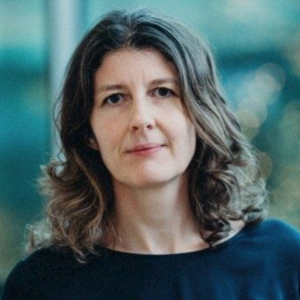
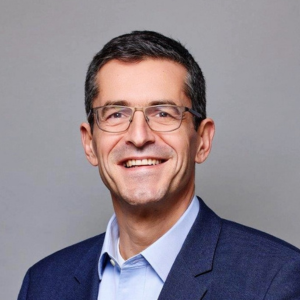

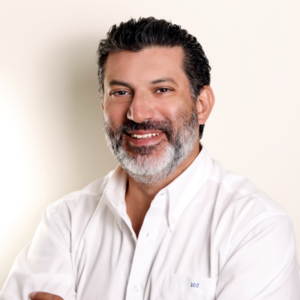
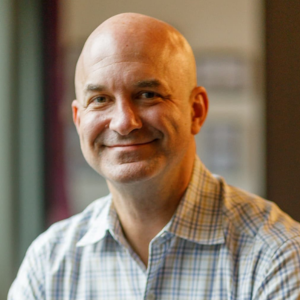
09:50
-
- Which regions, species and operating models are leading on taste, growth speed, and resilience? How are Africa, South America and Asia redefining global production and where are the next aquaculture frontiers emerging?
- Where are the most promising investment opportunities and which governance and infrastructure frameworks make them sustainable and scalable?
- Across Africa, Latin America, and Asia, which innovations are gaining traction, and which technologies are most urgently needed to future-proof production?
- How are local technology advances reshaping species competitiveness and global supply chains? How are regions leveraging their unique geographical contexts through targeted innovations, and can these breakthroughs scale across continents and species?
- In an era where some governments are rolling back climate commitments, how should emerging regions position themselves to lead and who are the potential champions driving process?



10:30
11:00
-
- What strategies, across innovation, branding, investment and supply chain management, drove salmon’s rapid growth, and how can other species replicate and build on this trajectory? Which elements are truly transferable, and how can these insights be shared effectively?
- How can emerging categories accelerate progress by aligning technology, R&D collaboration, and shared infrastructure to avoid reinventing the wheel?
- How can lessons from the salmon sector speed the adoption of sustainable practices across other species, making growth faster, more efficient, and cost-effective?"
- How can Bergen-style clusters - salmons ‘Silicon Valley’ – be leveraged to drive innovation for other species and regions?
Chairperson


11:40
-
- As novel feed ingredients move beyond hype, which performance metrics - growth, welfare, emissions and traceability – separate genuine impact from marketing claims?
- What is the strategic value of next-gen feed (algae, insects, microbial sources), and how can they move from pilot to commercial adoption? Which trial designs and sample sizes credibly validate performance, and do they indicate potential to replace traditional fishmeal?
- How close are we to bankable offtake agreements, and which risk-sharing models work best?
- How do we translate scientific mapping into operational cost-competitive, scalable solutions for farmers?
- What can we learn from first-generation leaders, and how is the emerging “third wave” of AI-enabled feed reshaping the sector?
Speakers


12:20
-
How Do We Make Full Use of the Commercial Norm in Seafood?
-
Integrating Science, Tech, and Investment into Healthier Aquaculture Systems
-
How Vertical Integration can Deliver Climate, Health, and Efficiency Gains
-
How Can We Deliver Real Progress Across Global Aquaculture
-
How to Measure and Reward Restorative Aquaculture
-
Scaling Responsible Investment for a $60B Opportunity
-
Who will Orchestrate Tomorrow’s Aquaculture Systems?




13:00
14:00
-
- How is digital transformation in aquaculture moving beyond buzzwords to deliver real farm-level impact, and what does “Aquaculture 4.0” mean for producers?
- Which robotics and automation solutions are commercially proven, and what lessons have early adopters learned?
- Which metrics, biomass accuracy, welfare indicators, feed efficiency, anomaly detection and mortality prediction, drive tangible ROI for farmers?
- How close are we to predictive prevention and mitigation, moving beyond monitoring toward actionable foresight at scale?
- How can raw farm data be transformed into intelligence that farmers trust and use daily, rather than dashboards that sit idle?


14:45
-
- What makes seafood ‘restorative’ and how do we create measurable standards for biodiversity gains, habitat recovery, and community benefits? Which indicators are scientifically credible, scalable, and trusted by markets and regulators?
- Which models can grow beyond experimental projects, and what infrastructure, technology, and capital flows are needed to make restorative aquaculture commercially viable?
- How can permitting, incentives, and community co-design frameworks enable, restorative aquaculture while ensuring local benefits?
- Why is ocean carbon sequestration undervalued compared to terrestrial systems, and which models (bivalves, seaweed, fallowing) can assign real financial value to blue natural capital?
ChairpersonSpeakers


15:30
16:00
-
- What concrete steps can the seaweed and algae industry take to accelerate demand and position seaweed as a mainstream ingredient across food, agriculture, packaging, energy, cosmetics and health?
- How are companies navigating slow, costly and inconsistent regulatory pathways, and what reforms would effectively shorten time-to-market for new products and farms without compromising environmental oversight?
- How can post‑production players in ingredients, biostumulants, cosmetics and health capture greater value and maximise output per tonne of biomass?
- What financing models, technology innovations or partnerships can de‑risk seaweed projects, reducing production costs, increasing yields and making the sector investable for both lenders and equity investors?

16:20
-
Meet our selection of the most promising early-stage blue food innovators across the industry. Explore investment ready ideas, and emerging business models shaping the future of nutritious, sustainable, and scalable ocean-based foods.ChairpersonSpeakers






17:00
-
- How are venture, private equity, blended finance, and ESG capital shaping the sector? Which instruments and channels can mobilise scalable funding for aquaculture and fisheries?
- How do we convert early-stage projects into bankable portfolios and transition from philanthropic returns-driven models?
- How can the sector overcome fragmentation, showcase market size and growth potential, and attract larger pools of capital? What lessons have emerged from recent successes and setbacks?
- With IPOs and exits limited, what role can private equity and large VCs play, and where are the most promising areas where foundational investment is emerging industry?
Chairperson



07:30
-
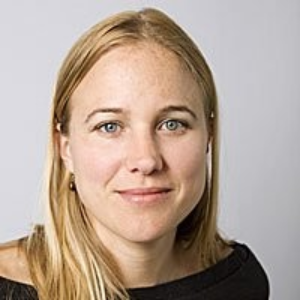
Join us for an action‑oriented breakfast briefing uniting women across aquaculture to reimagine workplace culture. This year, we move beyond awareness and celebration to explore the shared role in shaping environments that amplify women’s voices and champion high performance.
Hosted by:
 Chairperson
09:10
-
- Which interim supports - grants, pilots, guarantees - can keep vital innovations alive during pre-commercialization and testing phases?
- How can international clusters, regulators and testbeds speed innovation while protecting ecosystems, and what mapping of regulatory openness is needed to guide innovators?
- What strategies help innovators manage decade-long development timelines, shifting government priorities, and policy changes, ensuring stability for long-term investment?
- How do we create transparent pathways for testing and validation to bring siloed innovations into real-world use, while addressing frustration around funding allocation?
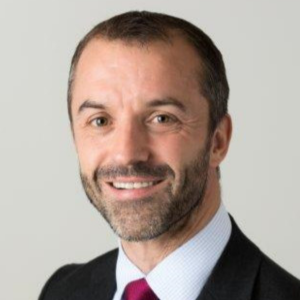
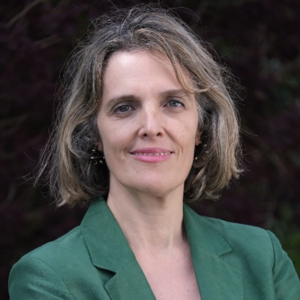
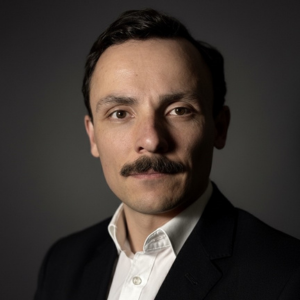
ChairpersonSpeakers



10:00
-
- How can we move past traditional blue proteins to encourage consumption of the full spectrum of blue foods available? How can greater species diversity enhance nutrition, stabilise prices, and support biodiversity?
- What role do low-trophic foods (bivalves, seaweed, and algae) play, and what barriers limit their adoption despite clear environmental and nutritional benefits?
- Which species and product formats best fit regional taste preferences and cooking habits, and how can diets shift toward locally produced, lower-trophic species?
- In emerging markets, how can low-trophic species deliver nutritional, economic, and carbon-reduction benefits? What role can diversification play in supporting smallholder farmers and local food systems?
Chairperson




10:30
-
Meet a curated group of high‑potential scale‑up blue food companies that are moving beyond proof of concept and into commercial growth. Discover proven technologies, expanding business models, and investment‑ready solutions driving the next phase of sustainable, nutritious, and scalable ocean‑based foods.

10:45
11:15
-
- How are offshore cages, submerged designs, RAS, flow-through, and closed containment shaping the future of blue food production?
- Which factors - local conditions, economics, regulations, and market access – determine the best fit, and how are climate realities and evolving policies accelerating adoption?
- How do these systems stack up on cost, welfare, safety, quality, longevity, and environmental impact? Which innovations - automation, sensors, robotics, AI-driven feeding, and water-quality management - are driving their evolution?
- What lessons can we learn from pioneering farms, and how do these systems complement or compete with each other in global aquaculture strategies?
Chairperson



12:00
-
- How can diagnostics from passive tests to real-time decision engines that transform on-farm disease management?
- What vaccine pipelines show the most promise across delivery methods, efficacy, and species-specific challenges (e.g. shrimp and non-salmon species)? Can vaccine innovation break species barriers?
- How are selective breeding and genomic technologies driving growth, disease resistance, and welfare and where is the next wave of genetic breakthroughs beyond salmon?
- How do we quantify welfare improvements tied to health and genetic interventions, and how does AI accelerate this process? Can welfare become a predictive measure for profitability?
- How do we address antimicrobial resistance (AMR) as a real public health challenge, while linking solutions to prevention, diagnostics, vaccines, genetics, biosecurity, and data-driven decision‑making?
- What pathways - training, financing, and partnerships - across academia, industry, and retail de-risk adoption and scale innovation? Which business models make health innovation financially viable?




12:45
13:45
-
Case Study // Scaling Full Utilisation: Accelerating High-Value Innovation from Seafood Side Streams
- How do we elevate full utilisation from concept to commercial practice? What will it take to shift from viewing side streams as a disposal cost to high value ingredients and core revenue streams? What replicable models can the industry learn from?
- Where in the seafood value chain does the greatest side‑stream value lie, and how can stakeholders collaborate to build reproducible, traceable, certification‑ready supply chains? How does side stream potential differ across key applications?
- Which innovations are currently shaping the frontier of side stream potential? Which technologies from agriculture, pharmaceuticals and biomaterials are closest to commercial scale?
- What barriers to scale remain, capex, regulatory timelines, market readiness, operational risk, and what does an investable offtake model look like to unlock full‑utilisation growth?

14:30
-
Hear insights on what truly attracts capital in today’s blue food markets and how funding strategies are evolving for aquaculture and fisheries. What proof points matter most - replicable capacity, standardized operations, and offtake agreements - and how do investors assess scalability, sustainability, and long-term value beyond the hype?
Chairperson
15:15
)
)
)
)
)